
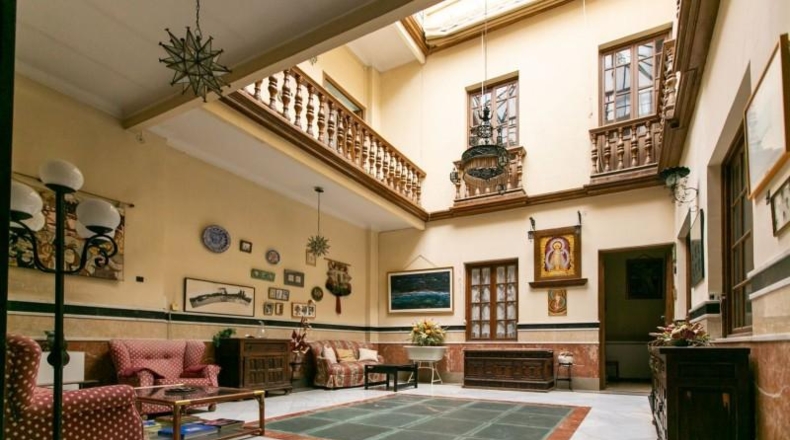
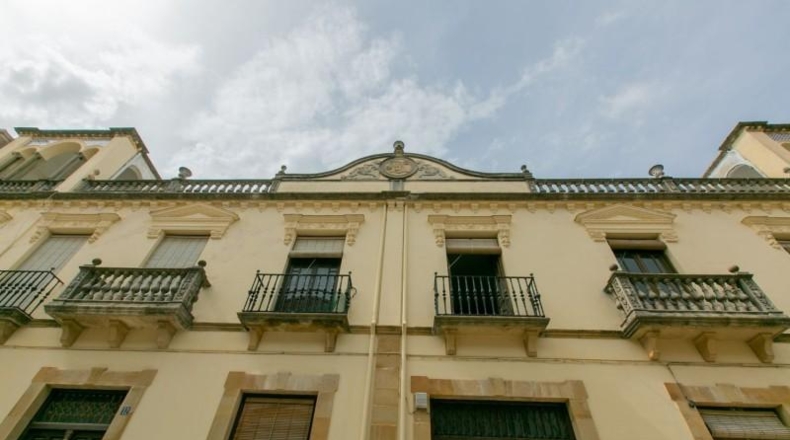
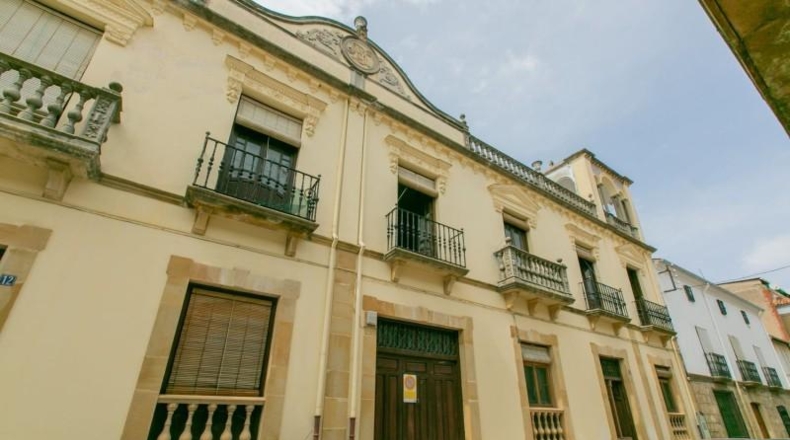
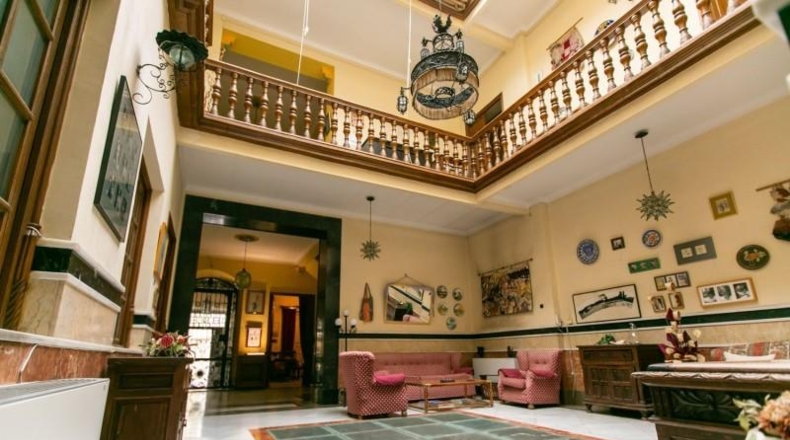
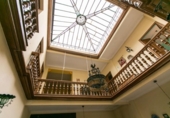
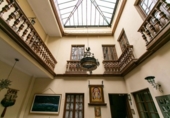
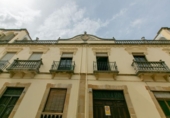
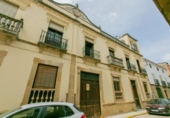
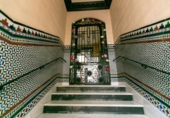
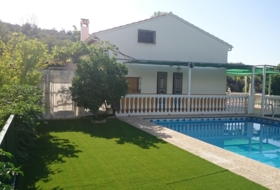
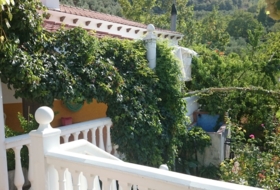
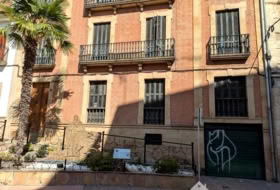
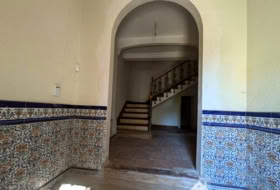
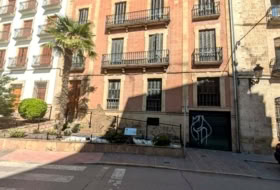
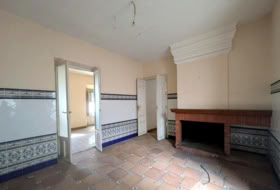
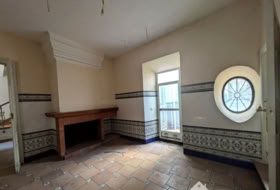
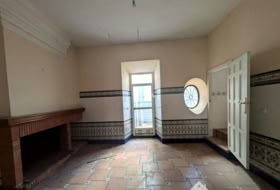
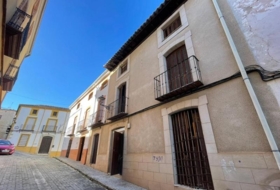
A stately building in a regionalist style, it was built in the early years of the 20th century.
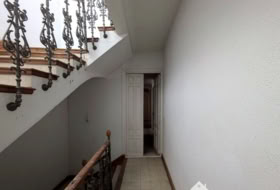
The building to which it belongs is made up of two independent houses with four stately balconies each.The upper part of the façade draws our attention as it is finished off with a stone balustrade with beautiful flowerpots and four flames, in the center of it is the elegant noble coat of arms of the family.
Distribution:
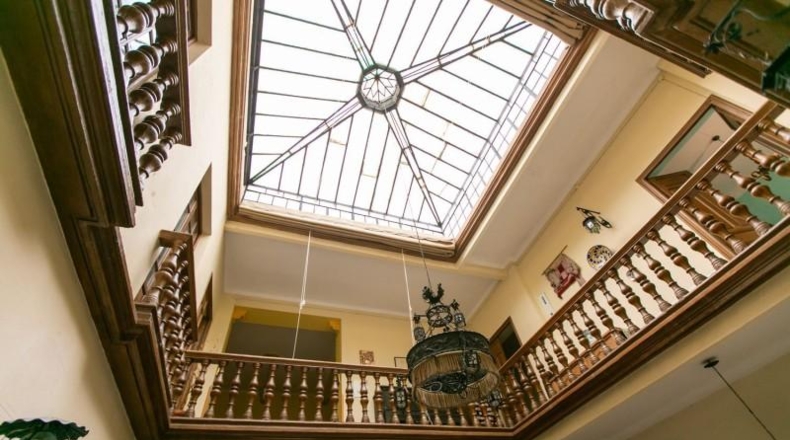
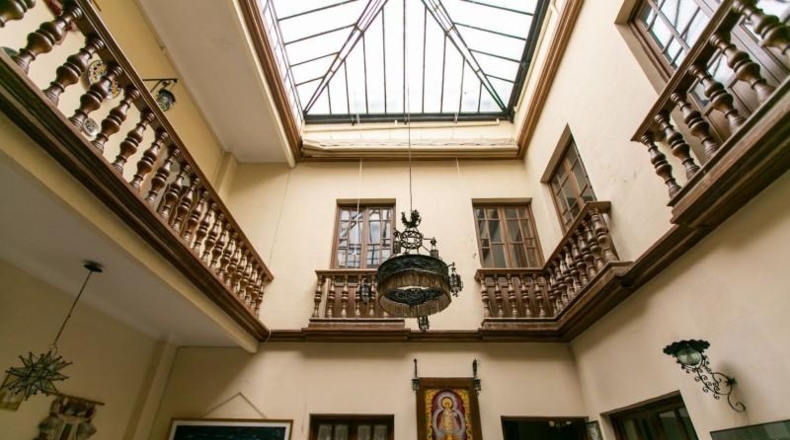
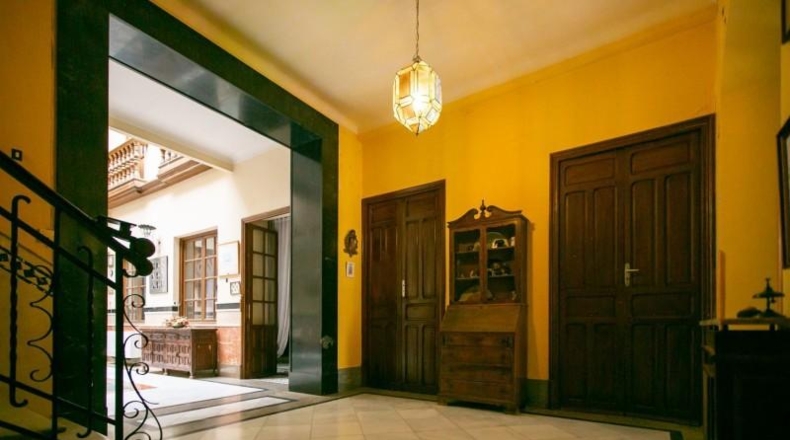
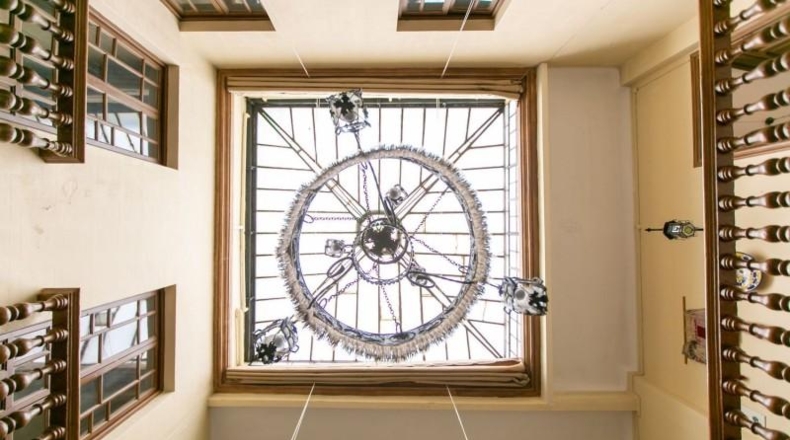
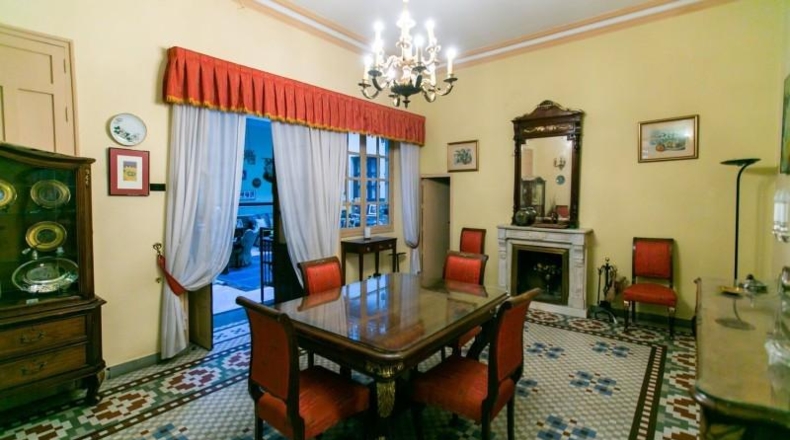
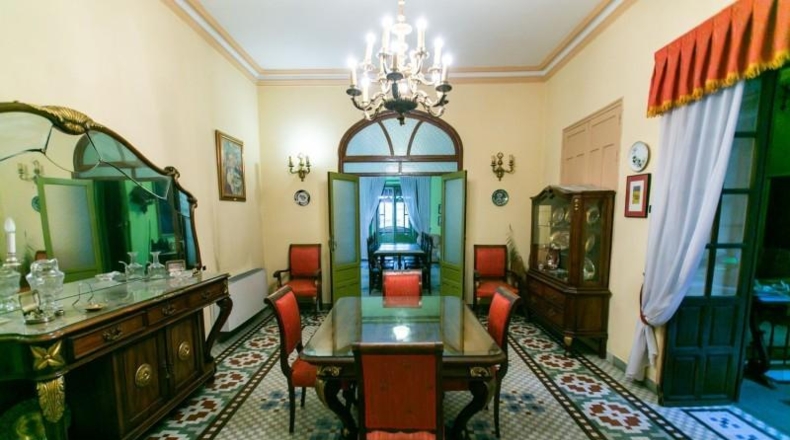
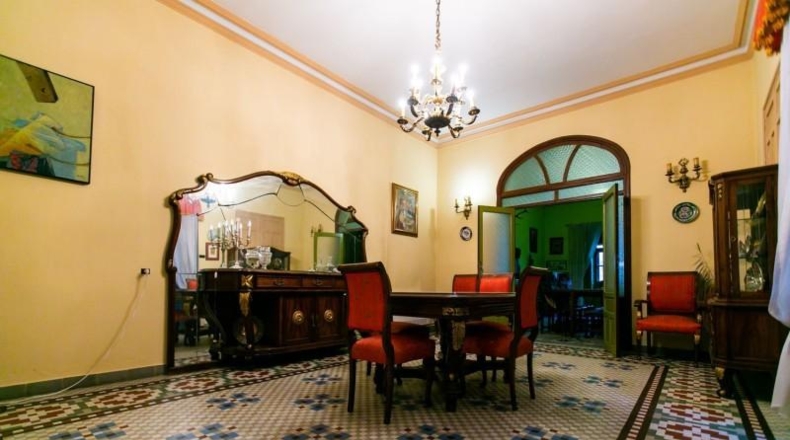
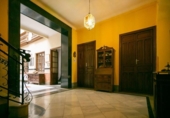
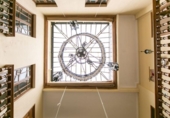
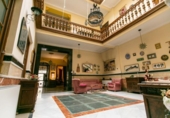
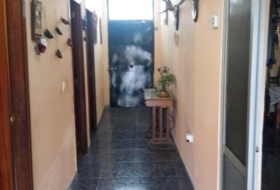
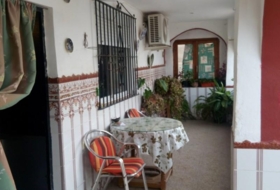
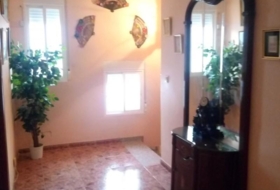
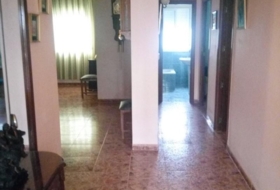
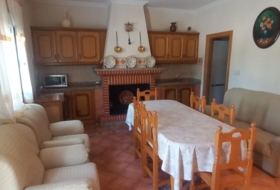
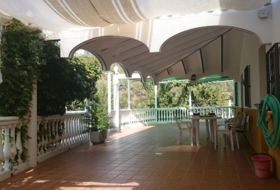
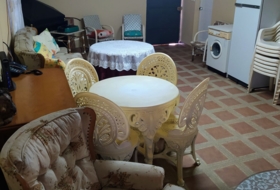
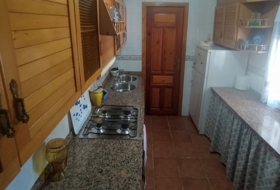
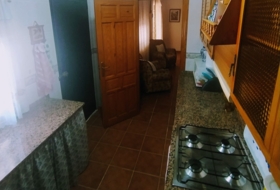
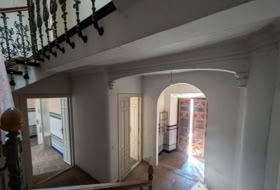
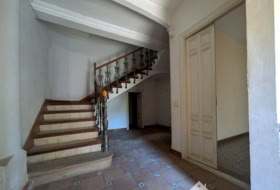
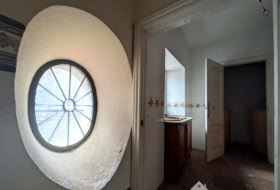
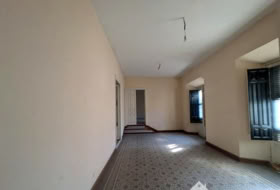
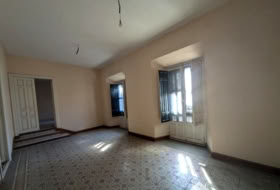
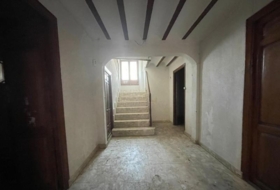
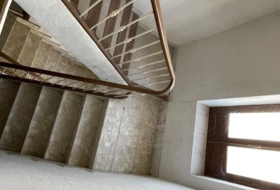
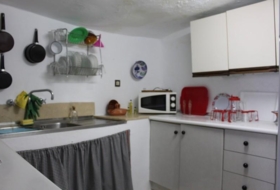
- Ground Floor (Mezzanine): Entrance, Distributors, Hall of the cupola, Living room, Dining room, Living room, toilet, kitchen and terrace.
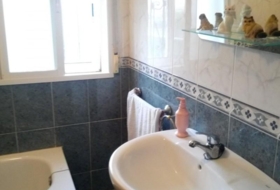
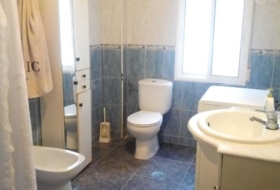
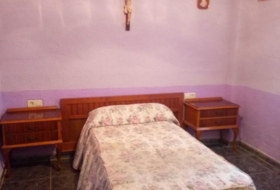
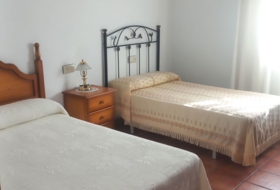
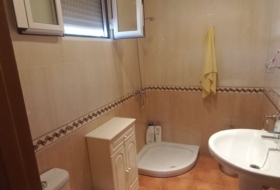
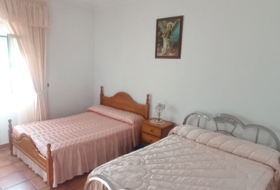
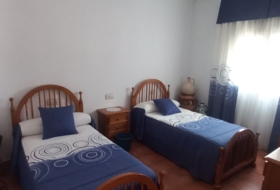
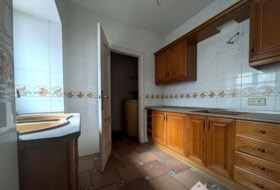
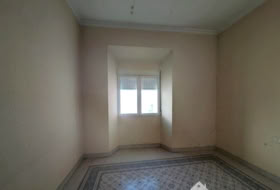
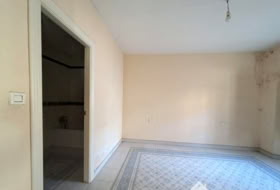
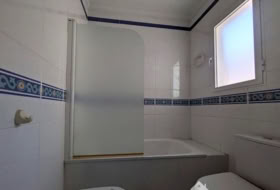
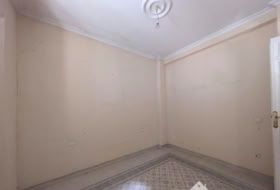
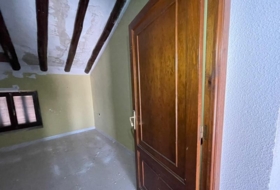
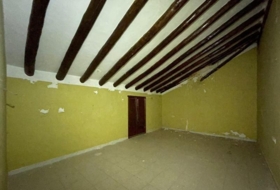
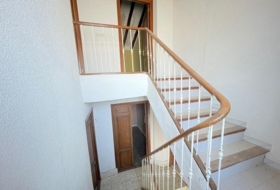
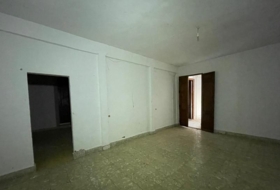
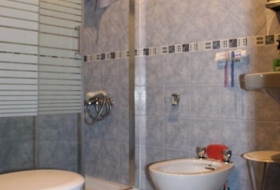
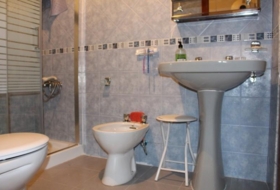
- First Floor Distributors, 6 bedrooms of which 3 are en suite with 3 bathrooms.
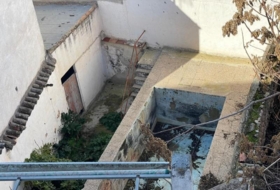
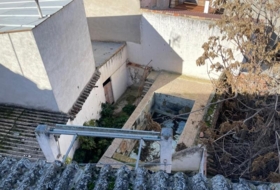
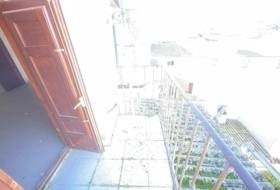
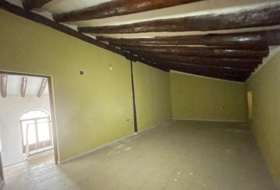
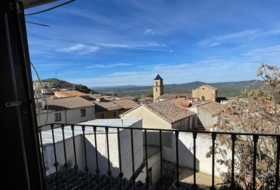
- Second Floor: Terrace-Mirador, 3 rooms and warehouses on the roof.
- Semi-basement: Garage, Living room with room, passage room, toilet, boiler room and different rooms
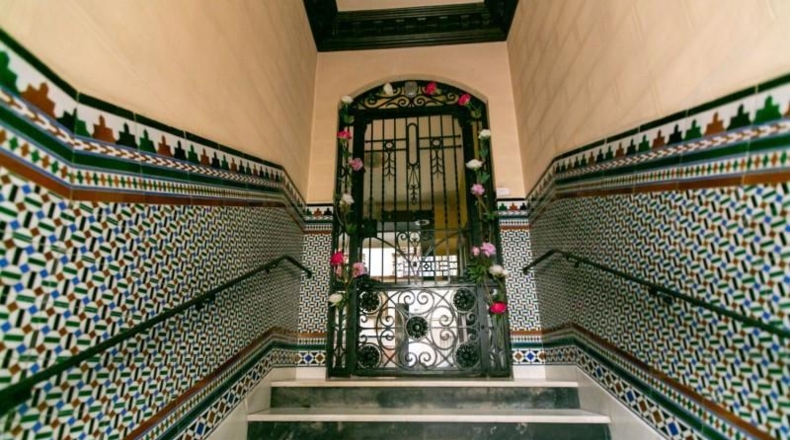
Cordovan stone and tile were used in the construction of its viewpoint.It was a work of D.Manuel López Ramírez, author of several of the most popular manor houses of great architectural beauty.
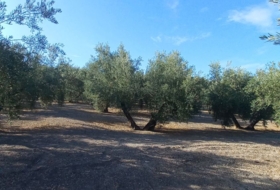
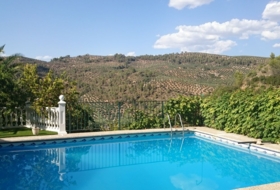
The house is Villanueva del arzobispo, which is a municipality surrounded by a landscape of olive groves and cereal fields, there are several interesting places that can be considered of interest and essential points for a tourist visit to Villanueva del Arzobispo.In addition to the historical-religious buildings, parish, convent of Santa Ana, Sanctuary, the urban area...
Its natural limits are to the North, the Guadalquivir valley and the Sierra de Cazorla; to the east the lands that give access to the Sierra area, and to the South, with the last lands of the Úbeda area.Part of its municipal area is bathed by the Guadalquivir and Guadalimar rivers, which gives rise to fertile lands that promote agricultural crops.The olive industry is very important in this municipality and it has one of the largest oil manufacturing cooperatives in our country.
The origin of its name comes from a Letter of Privilege, which is preserved in the town hall of the Villa, given by King Don Enrique to the Archbishop of Toledo, Don Pedro Tenorio, authorizing in 1396 that the place called La Moraleda passes to be called Villanueva del Arzobispo.By this Charter of Privilege the city is founded with a series of ordinances and charters and the obligation of the residents to surround the city in five years.
In Arab times Villanueva was one of the fortresses that reinforced the town of Iznatoraf, called La Moraleja.After the conquest by Fernando III the Saint of Iznatoraf, this village of La Moraleja was donated by the king to the Advancement of Cazorla.In 1396, the Archbishop of Toledo, Don Pedro Tenorio, granted it the title of Villa, acquiring its own jurisdiction and becoming the most important commercial nucleus of the Cazorla manor.It stood out for its flour production, with numerous flour mills that lined the passage of the Guadalquivir River.Miguel de Cervantes lived for a time in this town, in 1592, as a wheat tax collector.Felipe II granted him criminal jurisdiction in 1573.It received the title of city from the hands of King Alfonso XIII in 1920.
I.B.I.: 226,92€.
Detached villa with land for sale on España, Villanueva del Arzobispo, ref: TR404414
Jaén, Villanueva del Arzobispo View on the map
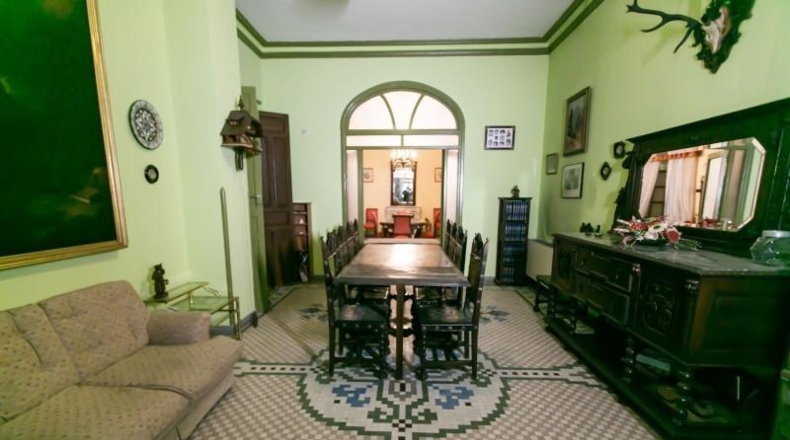
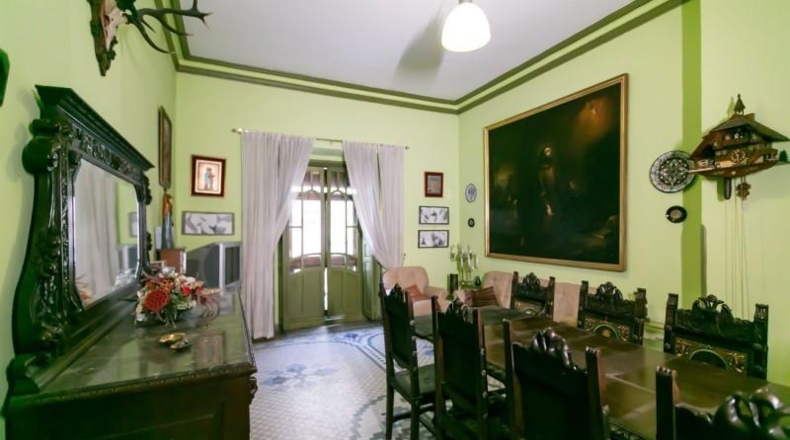
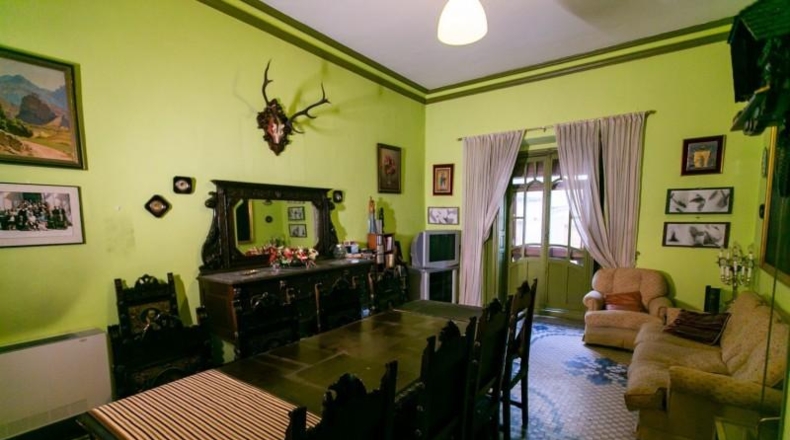
Ref: TR404414
15 photo

Sale
Type of offer

827 m²
Building area

13 rooms
Rooms

5
Bathrooms
Description
English
Spanish
Detached house in Villanueva del Arzobispo
Housing Status
Good condition
Rooms
13
Bathrooms
5
Building area
827 m²
Additionally
 Lookout
 - Pantry
- Garage
- Terrace

On ground
Type of offer
Sale
Type of land
Urban
Land area
827 m²
Type of access to the land
On paved road
Water
Yes
Electricity
Yes
Sewerage
Yes
Cultivations
Yes
Building on ground
Yes
Purpose of the plot
- Residential
Close to
- River
- City
- Mountains


Cultivation
- Food crops
- — Cereals
- — Olive mills for olive processing
 Food crops
Photos
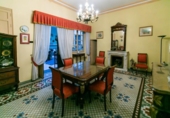
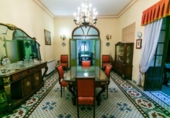
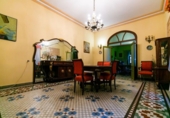
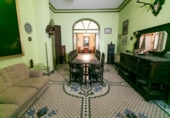
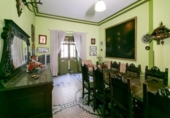
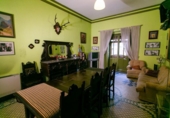
Town halls in Villanueva del Arzobispo
This land or property corresponds to the registry of the town hall of the locality.
Avenida De la Constitución 523330 Villanueva del Arzobispo
How to get there Attention: This is not the owner's contact information!
Nearby houses
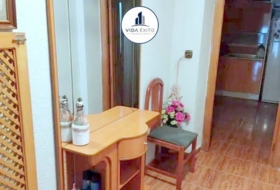
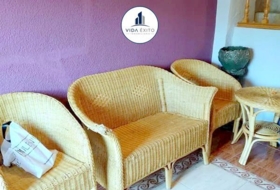
Villanueva del Arzobispo 180 m² 

46 000 €
Professional
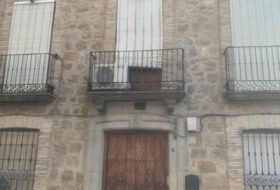
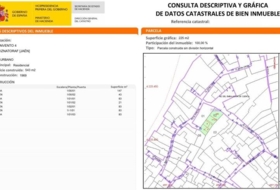
Village house, 3 rooms, 180 m²
Villanueva del Arzobispo, Jaen


new
Iznatoraf 313 m²
99 000 €
Professional
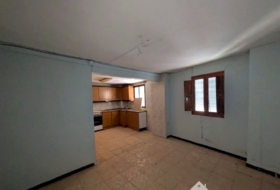
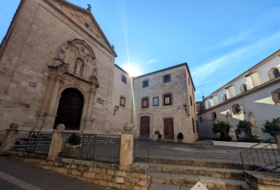
Village house, 3 rooms, 313 m²
Jaén, Iznatoraf, Andalucia
Beas de Segura 69 m²
24 000 €
Professional
Villa, 3 rooms, 69 m²
Jaén, Beas de Segura, Calle Calzada de la Plazuela




Chiclana de Segura 1000 m² +5
230 000 €
Professional
Country house, 4 rooms, 200 m²
Jaén, Carretera granada, Chiclana de Segura


 +5
+5
Beas de Segura 396 m²
86 000 €
Professional
Village house, 3 rooms, 396 m²
Jaén, Beas de Segura, Andalucia


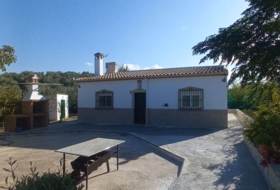
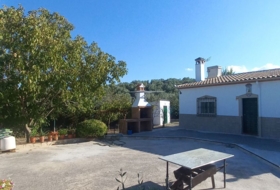
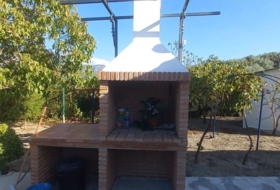

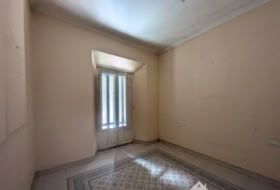
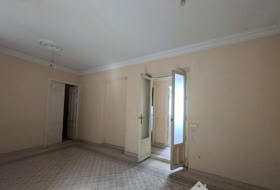
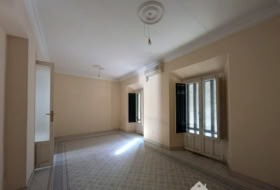
Villanueva del Arzobispo 516 m² +2
120 900 €
Professional
Villa, 7 rooms, 516 m²
Jaén, Villanueva del Arzobispo, Avenida Constitucion


 +2
+2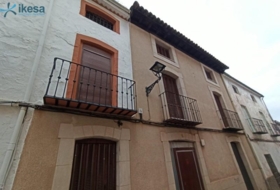

Castellar 485 m²
60 000 €
Professional
Village house, 6 rooms, 485 m²
Huesca, Castellar, Jaen

Chiclana de Segura 101 m²
45 000 €
Professional
Village house, 3 rooms, 101 m²
Jaén, Chiclana de Segura, Sierra de Jaén

Search house or home for sale by housing categories


Casas con las características más buscadas


- To reform 175
- Good condition 481
- Renovated 31
- Nearly new 13
- New build 23


